
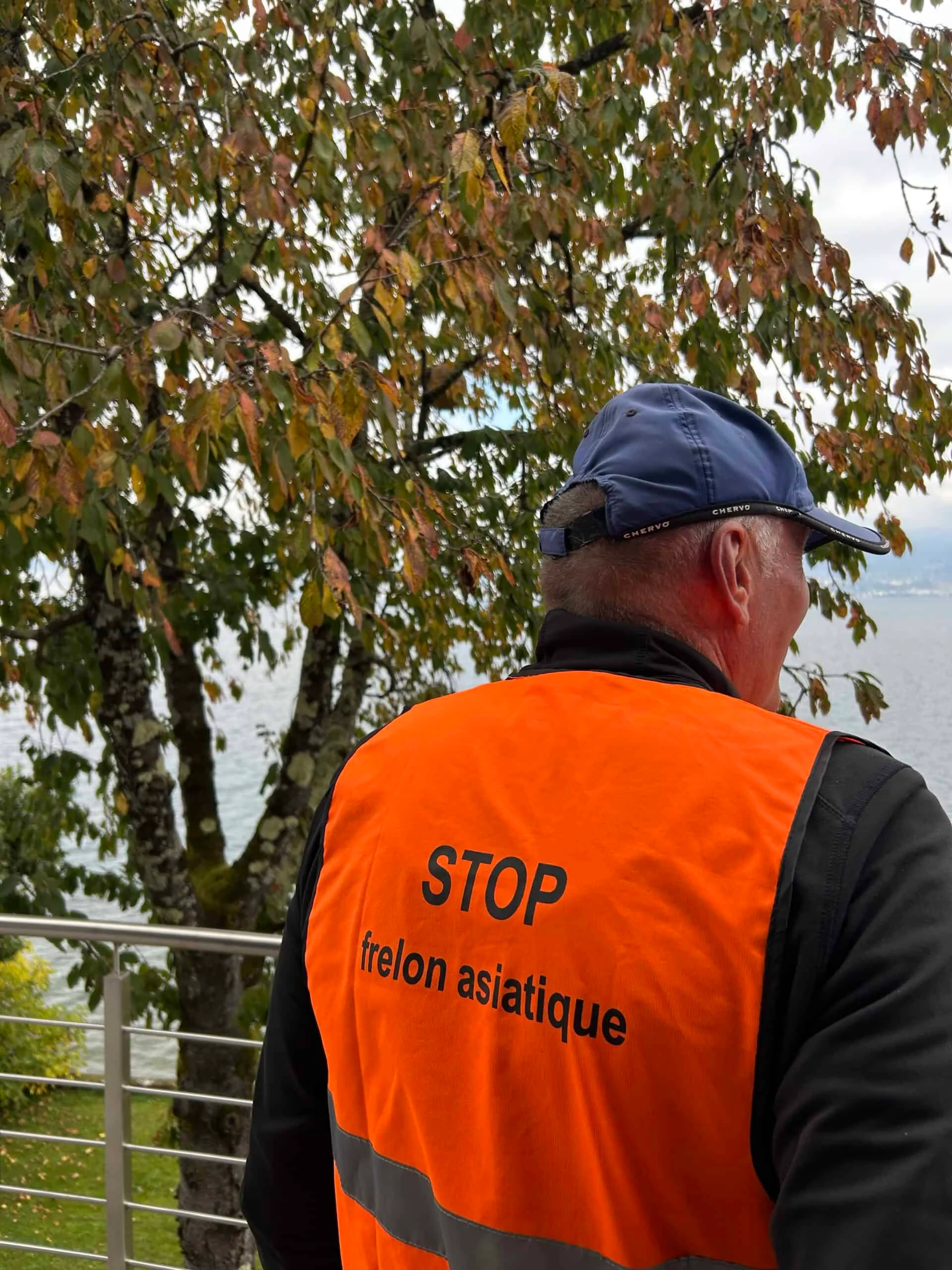
Falling autumn leaves revealed a threat previously hidden in the treetops: the Asian hornet (Vespa velutina). The original December 2025 article described its establishment in Valais following observations from late 2023, particularly in Lower Valais.
This is a historical situation report. Its figures and campaigns are not a current assessment or instructions for the present season.
1. The progression described at the time
Following initial sightings in late 2023, three nests were discovered and destroyed between St-Gingolph and Vionnaz in autumn 2024.
For November 2025, the original article reported:
- 22 nests identified within the canton;
- 18 nests deactivated and 7 physically destroyed.
These are retained as historical figures from the original post. The categories should not be added together as independent totals. The pressure described then was concentrated around Monthey and St-Maurice, while the whole canton was considered potentially affected in the longer term.
2. Why it matters to beekeeping
The article described the Asian hornet as an invasive alien species. It preys on insects, including honey bees, and can put pressure on colonies. Hunting in front of a hive entrance can disrupt foraging.
The original text also mentioned ripe fruit, including grapes and stone fruit. For people, the key concern is avoiding disturbance of a nest. Nests may be concealed in hedges or high in trees and are not always easy to see.
3. The Valais response described in 2025
The post referred to cooperation between the cantonal Agriculture Service and the Fédération d’Apiculture du Valais Romand.
The strategy described at the time had two seasonal focuses:
Spring: looking for founding queens
Coordinated campaigns were described from March to May in affected areas. The aim was to intercept founding queens before new nests developed. The text emphasised selective traps and regular checks to limit harm to other insects. Historical mentions of trap types or bait are not current product recommendations. Follow up-to-date guidance from the relevant authorities.
Summer and autumn: locating nests
In the original report, observations at attractant stations helped establish flight directions. Trained specialists used methods including triangulation and telemetry to locate nests. Treatment or removal was undertaken by equipped professionals.
Do not try to remove, treat or inspect a nest at close range yourself.
4. Identification pointers
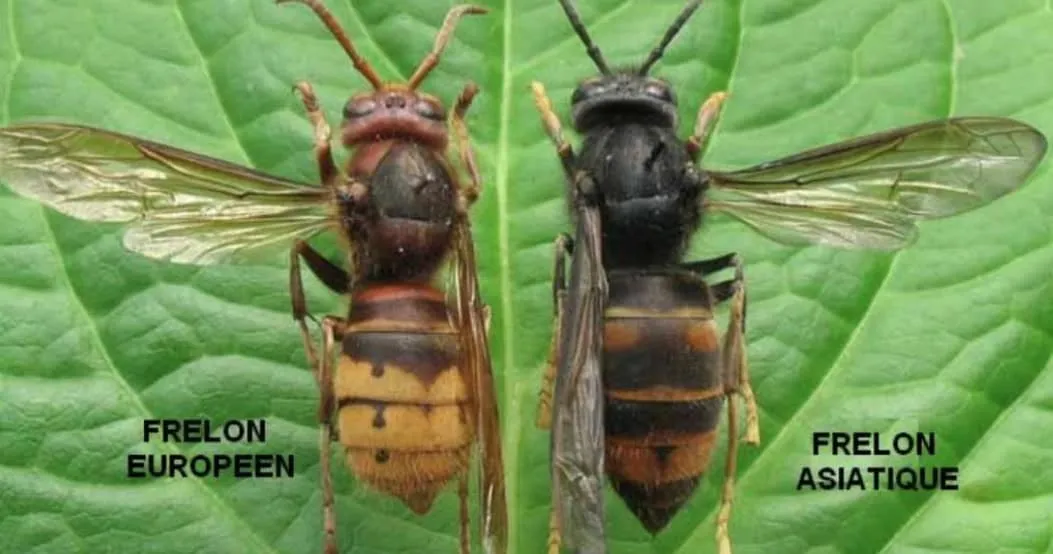
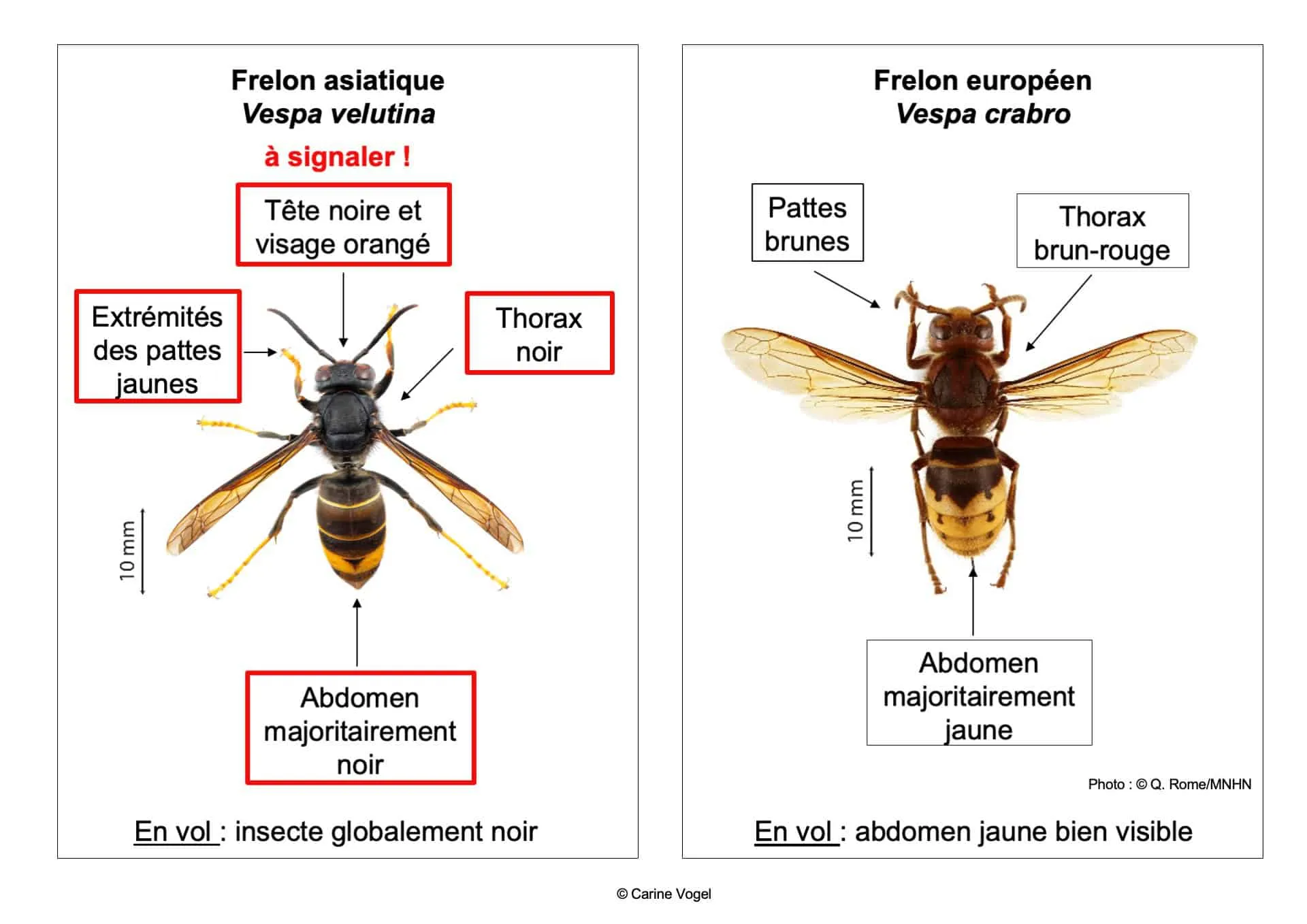
The Asian hornet was described as having a dark thorax, yellow leg tips and a largely dark abdomen with an orange band. The European hornet (Vespa crabro) has more reddish areas on its head and thorax and a yellow abdominal pattern.
These are pointers, not certain identification from a distance. Observe or photograph only without approaching a nest.
Report a sighting
Use the Swiss Asian hornet reporting platform. For the present situation and measures, refer to the relevant specialist authorities.
A honey bee swarm is a different situation: see SOS Bee swarm.